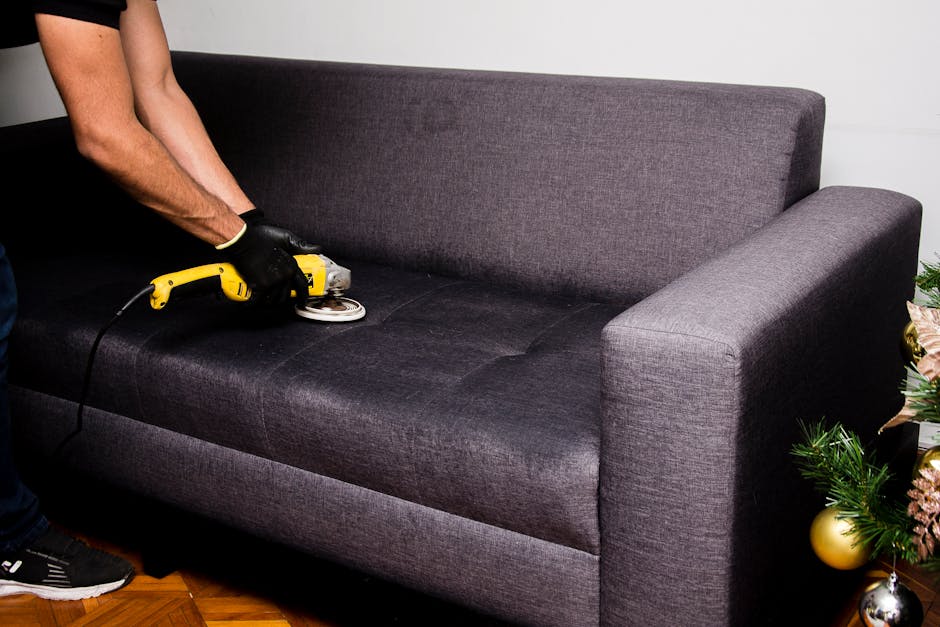
Hoxton Road upholstery cleaning Shoreditch N1 cafes: a practical guide for busy venues
If you run or manage a cafe near Hoxton Road in Shoreditch N1, you already know the seating takes a beating. Coffee spills, food crumbs, winter wet coats, and the constant shuffle of customers all add up. Hoxton Road upholstery cleaning Shoreditch N1 cafes is not just about making chairs look nice for a few photos; it is about hygiene, customer comfort, fabric life, and the day-to-day impression your space gives off.
In a lively patch of London, where people notice details fast, tired upholstery can quietly drag down the feel of an otherwise great cafe. The good news? With the right cleaning approach, you can keep sofas, banquettes, and dining chairs looking tidy without turning service upside down. This guide walks through how it works, when it makes sense, what to avoid, and how to make sensible decisions for your venue. No fluff. Just the useful stuff.
Table of Contents
- Why Hoxton Road upholstery cleaning Shoreditch N1 cafes Matters
- How Hoxton Road upholstery cleaning Shoreditch N1 cafes Works
- Key Benefits and Practical Advantages
- Who This Is For and When It Makes Sense
- Step-by-Step Guidance
- Expert Tips for Better Results
- Common Mistakes to Avoid
- Tools, Resources and Recommendations
- Law, Compliance, Standards, or Best Practice
- Options, Methods, or Comparison Table
- Case Study or Real-World Example
- Practical Checklist
- Conclusion
- Frequently Asked Questions
Why Hoxton Road upholstery cleaning Shoreditch N1 cafes Matters
Cafes live and die by atmosphere. You can have excellent espresso, a clever menu, and a strong location, but if the seating looks greasy, stained, or a bit "past its best", people notice. They might not mention it, but they notice. That is especially true in Shoreditch, where customers are often a mix of regulars, remote workers, creatives, and visitors who are used to sharp-looking interiors.
Upholstery in a cafe handles more than occasional use. Chairs get leaned on constantly. Banquettes collect oils from clothing and skin. Fabric absorbs odours from food, milk, rain, and the general life of a busy room. Near Hoxton Road, where footfall can be heavy and turnover fast, those little signs of wear show up sooner than many owners expect.
There is also a practical side. Clean upholstery helps reduce visible staining and keeps seating more pleasant for guests and staff alike. A well-kept room tends to feel brighter, fresher, and more cared for. That feeling matters. People stay longer, relax more, and are less likely to notice the tiny imperfections that every hospitality space has, because let's face it, every cafe has them.
There is a business side too. If you are trying to build repeat visits, consistency counts. A table might wobble slightly and nobody cares. A stained banquette, though? Different story. It quietly chips away at trust.
How Hoxton Road upholstery cleaning Shoreditch N1 cafes Works
Professional upholstery cleaning is not just a quick spray and wipe. Good cleaning starts with identifying the fabric type, the construction of the furniture, and the kind of soiling involved. That matters because cafe upholstery may be leather-look vinyl, woven fabric, synthetic blends, or a mix across different seating areas.
The process usually begins with inspection. A cleaner checks for stains, wear, loose stitching, broken buttons, colour sensitivity, and any areas that need a gentler touch. After that comes dry soil removal. This stage is easy to underestimate, but it makes a real difference. Dust, crumbs, and grit need to be lifted out before deeper cleaning starts, otherwise they can turn into muddy residue.
Then comes the actual cleaning method. Depending on the material, that might involve low-moisture extraction, hot water extraction, encapsulation, bonnet cleaning, or careful hand-cleaning for delicate fabrics. The aim is simple: loosen embedded dirt, remove staining where possible, and avoid overwetting the upholstery. Overwetting is the classic mistake. It can slow drying, leave rings, or create musty smells if not handled properly.
In a busy cafe, timing matters as much as technique. Cleaning is often planned before opening, after close, or on a quieter day so furniture can dry with minimal disruption. You do not want damp chairs at lunch service. Nobody wants that. Not staff, not customers, not your floor.
Where grease and drink spillages are common, spot treatment is usually part of the job. Coffee, syrup, milk, and food oils all behave differently in fabric, so a one-size-fits-all approach is rarely the answer. A proper clean is measured, methodical, and, frankly, a bit more patient than people expect.
Key Benefits and Practical Advantages
There are obvious benefits, and then there are the quieter ones that matter just as much in real life. Here is the short version.
- Better first impressions: Fresh seating makes the whole venue feel more cared for.
- Improved comfort: Guests are more likely to settle in when chairs and benches feel clean and pleasant.
- Odour control: Fabric can trap smells from food, drink, and everyday use, so cleaning helps reset the room.
- Longer upholstery life: Removing grime before it settles helps materials last longer.
- Reduced visible wear: Regular cleaning can slow the look of ageing, especially on high-use pieces.
- Better hygiene standards: While upholstery cleaning is not the same as sanitising every surface, it helps support a cleaner overall environment.
One benefit that often gets missed is staff confidence. When the room looks clean, teams tend to feel more on top of things. That sounds small, but in a cafe environment it can influence how people work through a busy service.
Another practical gain is consistency across the room. If only the floor gets attention and the seating is forgotten, the whole space can feel uneven. A solid cleaning routine brings everything back into balance.
Expert summary: For cafes, upholstery cleaning works best as part of routine venue care, not as a panic response after a stain has set. Regular attention usually gives better results, less disruption, and a more polished customer experience.
Who This Is For and When It Makes Sense
This service makes sense for a wide range of cafe businesses, especially those with fabric seating, upholstered booths, or high customer turnover. If you are near Hoxton Road, Shoreditch N1, you are probably dealing with a mix of weekday office trade, weekend browsers, and the usual London weather being, well, London weather.
You may need upholstery cleaning if:
- your seating has visible drink marks, grease spots, or darkened armrests
- customers comment on stale or food-related odours
- the furniture looks dull even after regular surface cleaning
- you are preparing for a rebrand, relaunch, or inspection
- staff are spending too much time trying to tidy upholstery by hand
- you have inherited furniture from a previous operator and want a reset
It also makes sense if your cafe includes mixed-use seating areas. For example, a window bench might look clean to the eye but still hold onto years of fine dust and spill residue. That build-up can be subtle. You only really notice it when one section is cleaned properly and suddenly the difference is obvious.
Truth be told, some owners leave upholstery cleaning until the furniture looks genuinely tired. That is understandable, but not ideal. Earlier intervention usually means fewer stubborn stains and less risk of permanent marking.
Step-by-Step Guidance
If you are planning cleaning for a cafe, having a simple process helps. Here is a straightforward way to think about it.
- Inspect the seating carefully. Look at each piece for stains, wear, loose seams, and colour differences.
- Identify the fabric or surface type. What works on a synthetic cafe chair may not be right for a wool blend or textured banquette.
- Decide on cleaning priority. Target the heaviest-use areas first, such as entrance seating, window tables, and long banquettes.
- Test a small hidden area. This is basic good sense. A tiny patch test can prevent bigger headaches.
- Choose the right method. Dry soil removal, spot treatment, and a suitable cleaning process should match the material and soil level.
- Control moisture. Too much water can create drying delays or edge marks.
- Allow adequate drying time. Keep the area ventilated and avoid immediate heavy use.
- Recheck the results. Once dry, inspect for missed marks or residue before putting the space fully back into service.
A practical example: if you run a small cafe with six fabric banquettes along one wall, cleaning them all in one go before opening can be smarter than doing one at a time across several days. It keeps the room consistent and saves you from the "clean side, dirty side" look. Not a great look, honestly.
If the room stays open late, you may need a schedule that uses early mornings or a quieter midweek window. That kind of planning sounds boring until you realise it keeps the place usable and avoids awkward wet patches during service.
Expert Tips for Better Results
A few small habits make a big difference. In our experience, the cafes that stay looking better for longer usually do the basics well and keep things consistent.
- Treat spills early. Fresh marks are almost always easier to handle than set-in ones.
- Blot, don't scrub. Scrubbing can spread the stain or rough up the fabric pile.
- Use fabric-appropriate products. What works on one surface can cause discolouration on another.
- Rotate attention to high-touch areas. Armrests, seat fronts, and back rests usually need more frequent care.
- Build ventilation into the plan. Fresh air helps drying and reduces lingering smells.
- Pair upholstery care with floor and surface cleaning. One clean element in a dirty room does not carry the whole space.
A little seasonal awareness helps too. In winter, wet coats and muddy shoes can make the upholstery work harder. In summer, drinks spills and busier footfall can be the issue. Different season, different mess. Same cafe, though.
If a stain does not lift cleanly, resist the urge to keep attacking it with more product. That is where a lot of well-meant damage happens. Sometimes the best move is a measured second pass rather than a heavy-handed one.
Common Mistakes to Avoid
Most upholstery problems in cafes are not caused by a lack of effort. They come from reasonable people using the wrong approach under pressure. Fair enough. Hospitality is busy.
- Cleaning without testing: A hidden patch test can save you from colour bleed or fibre damage.
- Using too much water: More moisture does not mean better cleaning.
- Overloading one product: Too much chemical residue can attract more dirt later.
- Ignoring drying time: Putting customers back onto damp seating is asking for trouble.
- Only cleaning visible marks: Surface stains are often the symptom, not the full problem.
- Mixing incompatible products: That can create residue, smells, or fabric damage.
- Leaving cleaning too long: The longer soil sits, the harder it tends to remove.
Another common mistake is assuming all cafe seating can be cleaned the same way. A faux-leather banquette and a textured fabric tub chair may look similar from a distance, but they usually need very different treatment. The devil, as always, is in the details.
Tools, Resources and Recommendations
You do not need a warehouse full of equipment to care for cafe upholstery properly, but the right tools help. For day-to-day upkeep, most venues benefit from a practical mix of routine and specialist support.
Useful items and resources can include:
- Microfibre cloths for gentle surface cleaning and spill response
- Soft brushes for loosening debris without damaging fibres
- Vacuum attachments suited to seating edges, seams, and corners
- Spot treatment products that are suitable for the specific material
- Protective covers or throws for temporarily shielding vulnerable seating during busy periods
- A cleaning log so staff know when each area was last treated
For businesses that manage more than one cleaning need, it can help to link upholstery care with broader venue upkeep. If you are already planning office cleaning for back-of-house areas or a general deep cleaning session, it often makes sense to coordinate upholstery at the same time. That way, the whole premises gets a proper reset instead of a patchwork clean.
If your cafe also has rugs, soft seating zones, or shared work areas, it may be worth looking at rug cleaning and sofa cleaning alongside the chairs and banquettes. The room tends to feel more cohesive when all the soft furnishings get the same standard of care.
And if you want to understand how a company presents itself before booking, take a look at the about us page and the pricing and quotes page. It is a simple way to check tone, transparency, and whether the service feels right for your venue.
Law, Compliance, Standards, or Best Practice
For cafe owners, upholstery cleaning sits within a wider responsibility to maintain a safe, clean, and well-managed premises. This is not usually about one specific law for chairs. It is more about general business duty, workplace hygiene, and sensible risk management.
Best practice usually includes:
- choosing suitable cleaning methods for the material and usage level
- minimising slip or moisture risks during and after cleaning
- keeping walkways and customer areas safe while work is in progress
- following product instructions carefully
- making sure staff know not to use random chemicals on upholstered furniture
- keeping a basic record of cleaning schedules where helpful
If a venue operates with staff and customers coming and going all day, it is also sensible to think about insurance and risk management. A professional provider should be able to explain how they work safely and what precautions they take around furniture, flooring, and drying times. You can also review insurance and safety and the health and safety policy to get a clearer sense of how the business handles those responsibilities.
For broader operational confidence, some cafes also like to check a company's terms and conditions and privacy policy. Nothing dramatic. Just good housekeeping, really.
Options, Methods, or Comparison Table
Not every upholstery job needs the same approach. The right method depends on fabric type, soil level, time available, and how quickly the seating must return to use. Here is a simple comparison to help.
| Method | Best for | Strengths | Limitations |
|---|---|---|---|
| Vacuuming and dry soil removal | Routine maintenance | Fast, low risk, useful for crumbs and dust | Won't remove deep stains |
| Spot cleaning | Fresh marks and isolated spills | Quick and targeted | Can leave tide marks if rushed |
| Low-moisture cleaning | Busy cafes with limited downtime | Faster drying, less disruption | May not suit every fabric or heavy soil level |
| Hot water extraction | Heavier soiling on suitable fabrics | Deep clean, strong soil removal | Requires careful moisture control and drying |
| Hand-cleaning for delicate surfaces | Sensitive fabrics or detailed seating | Precise, careful treatment | Slower and more labour-intensive |
For cafe owners, the real decision is not "which method is best in theory?" It is "which method gives the cleanest result with the least disruption to service?" That is usually the smarter question.
Case Study or Real-World Example
Picture a small Shoreditch cafe with four fabric booths near the front window and two upholstered benches in a quieter back corner. On the surface, the seating looks fine. Nothing dramatic. But the front booths have a dull film from daily use, one bench has coffee splash marks, and the back corner has picked up a faint stale smell from winter coats and limited airflow.
The owner notices that customers tend to choose the "cleaner-looking" side of the room first. It is a small behaviour shift, but it keeps happening. So they book a cleaning session before a weekend rush, choose a low-disruption time slot, and focus first on the front booths because those get the most eyes on them.
After cleaning, the colour looks brighter. The room feels lighter. The odour issue is reduced, and the seating no longer draws attention for the wrong reason. Nothing magical happened. No miracle product. Just careful work, right timing, and a bit of patience. Sometimes that is all it takes.
That kind of result is common in hospitality: once the upholstery is reset, the whole room feels more believable. Fresh. Looked after. Worth sitting in for another coffee.
Practical Checklist
Use this quick checklist before scheduling or carrying out cafe upholstery cleaning:
- Identify every upholstered item in the cafe
- Separate fabric, faux leather, leather, and mixed-material seating
- Note visible stains, odours, and high-wear areas
- Check opening hours and plan around service times
- Confirm drying space and airflow
- Test cleaning products on a hidden area first
- Protect nearby flooring and tables
- Communicate timing to staff clearly
- Inspect the result once dry
- Set a follow-up cleaning schedule instead of waiting for the next major spill
Quick takeaway: the best upholstery cleaning plan is the one that matches your fabric, your trading pattern, and your tolerance for disruption. In a cafe, those three things matter more than a one-size-fits-all promise.
If you are comparing providers, it can also help to check how they handle communication and support. A clear contact us page, a transparent complaints procedure, and a straightforward payment and security policy all signal an organised operation. For some businesses, that reassurance matters just as much as the cleaning itself.
Get a free quote today and see how much you can save.
Conclusion
Hoxton Road upholstery cleaning Shoreditch N1 cafes is really about protecting the feel of your venue. Clean seating supports the customer experience, helps your interiors last longer, and keeps the room looking intentional rather than worn. In a neighbourhood where people notice the details, that matters a great deal.
If you stay ahead of stains, use the right method for the fabric, and plan cleaning around trading hours, you will usually get better results with less hassle. Simple, but true. And once the soft furnishings look and smell fresher, the whole cafe tends to lift with them.
That is the nice part, really. A cleaner room feels easier to be in, for customers and for the people working there. Small improvement, big difference.
Frequently Asked Questions
How often should cafe upholstery be cleaned in Shoreditch N1?
It depends on footfall, fabric type, and how heavily the seating is used. High-traffic cafes often benefit from regular maintenance and periodic deeper cleaning rather than waiting for visible staining to become severe.
Can upholstery cleaning remove coffee and food stains completely?
Fresh stains usually have a better chance of lifting than old, set-in marks. Some stains can be reduced significantly, but complete removal is not always possible, especially if the fabric has already absorbed the spill deeply.
Will the seating be usable straight away after cleaning?
Not always. Drying time depends on the method used, airflow, and material. A good cleaner should explain how long to wait before putting the furniture back into normal service.
Is upholstery cleaning safe for delicate cafe fabrics?
Yes, when the fabric is identified correctly and the right method is chosen. Delicate materials need a gentler approach, and a patch test is wise before anything larger is cleaned.
What is the difference between upholstery cleaning and deep cleaning?
Upholstery cleaning focuses on soft furnishings such as chairs, benches, and sofas. Deep cleaning is broader and may include floors, hard-to-reach surfaces, and other parts of the premises as well.
Does upholstery cleaning help with odours?
It often does. Fabric can trap smells from food, drink, and general use, so a proper clean can noticeably freshen the room. If odours keep returning, though, ventilation and broader hygiene habits may need attention too.
What should I do before a cleaning appointment?
Move light items if needed, identify any stubborn stains, and share fabric information if you have it. It also helps to plan the appointment around opening hours so the seating has time to dry properly.
Can regular vacuuming replace professional upholstery cleaning?
No. Vacuuming is useful for routine maintenance, but it does not remove embedded dirt, grease, or many stains. Think of it as part of a wider care routine, not a full substitute.
How do I know if a cleaner is using the right method?
They should ask about the fabric, inspect the seating, explain the process clearly, and mention drying time. If someone promises the same approach for every material, that is a bit of a warning sign.
Is upholstery cleaning disruptive to a cafe business?
It does not have to be. With good planning, cleaning can often be scheduled before opening, after close, or during quieter trading windows. The key is to match the job to the venue's routine.
Should I clean all seating at once or in stages?
If possible, a coordinated clean is often better for consistency. In some cases, staging the work is more practical, especially if the venue cannot close sections of the room for long. The right answer depends on the layout and trading pattern.
What other services are worth considering alongside upholstery cleaning?
For cafes with wider cleaning needs, pairing upholstery care with carpet, rug, or general venue cleaning can be efficient. It helps the whole space feel balanced, rather than leaving one area looking newer than the rest.